
Why Kids Today Don’t Have the Same Thick Hair as Our Grandparents – And What You Can Do About It




“Whitening” Lotions for Kids? What Parents Should Know (Safer Bright-Skin Habits)
A gentle, honest guide for families who just want happy, healthy skin
Most parents who search for whitening lotions for kids aren’t hoping to change their child’s natural tone. They’re noticing dryness, patchiness, or a “dull” look in photos and want skin that feels comfortable and looks even. This guide explains what’s behind those concerns and how to care for children’s skin without chasing fairness claims.
How children’s skin actually works
-
The barrier is still learning. Kids skin is thinner and loses water faster, so it can swing from sweaty to dry in a single school day. When the barrier is cranky, skin can look ashy or rough even if your child is perfectly healthy.
-
Melanin is protective. The color you see is largely genetic and it helps shield skin. Trying to “lighten” it isn’t a helpful goal, especially for children.
-
“Dullness” is usually texture, not tone. Tiny dry flakes scatter light. Smooth, well-moisturized skin reflects light better, which reads as brighter even though the tone hasn’t changed.
Why “whitening” promises show up—and why to skip them for kids

Some adult products claim to fade spots or lighten complexion using strong actives or harsh routines. That approach doesn’t translate to young skin. Children do best with simple care: gentle cleansing and consistent moisture. If a label pushes “fairness in X days,” that’s your cue to put it back on the shelf.
The gentle routine that works (and is easy to keep)
Think of this as a small set of habits rather than a long checklist:
1) Short, warm baths. Five to eight minutes is enough. Hot water and long soaks strip moisture and make post-bath tightness worse.
2) The “damp-skin” rule. After the towel, when skin is still slightly damp, apply lotion. This traps water in the surface layers and calms that tight, scratchy feeling kids often describe after bathing.
3) Enough product in the right places. A coin-size amount per arm and lower leg, a bit more for the torso. Knees, elbows, and shins need special attention—they rough up first under uniforms and play.
4) Small top-ups beat heavy layers. If shins look chalky after school, a quick pea-size re-apply to that spot does more than overloading in the morning.
5) Light protection outdoors. Hats, shade, and sleeves do a lot. If you use sunscreen, pick a kid-friendly one and keep it to exposed areas. No need to turn it into a project.
Refer to the blog on - Best Body Lotion for 5-Year-Olds in India (Derm-Checked Checklist)
Choosing a lotion: a parent’s quick decision tree
When you’re facing a wall of bottles, this simple filter helps:
-
Skin feel first. Your child should be able to dress within a minute without stickiness. If it sits shiny for long, it’s probably too heavy for day use.
-
Kid-friendly testing and balance. Look for wording like dermatologically tested and pH-balanced. These aren’t magic words, but together they point to formulas meant for everyday comfort.
-
Soothers, not stingers. Ingredients such as oat extract, shea or cocoa butters, vitamin E, and provitamin B5 (panthenol) are there to soften rough patches and hold water in the skin. They work gently and steadily.
-
Keep it simple if your child is scent-sensitive. Light fragrance is okay for many families; if your child tends to react, try fragrance-free first.
-
Patch test the first time. Inside of the forearm, 24 hours, just to be sure—especially if your child has had reactions before.
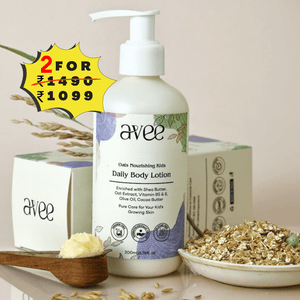
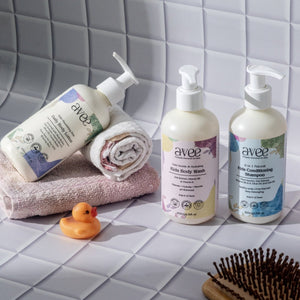
(If you’re browsing options: Avee Kids Body Lotion follows this simple brief—lightweight feel for quick dressing, with oat extract, buttery emollients, vitamin E, and B5 in a kid-friendly, pH-balanced base.)
Common parent questions—answered plainly
“My child’s legs look grey or ashy by noon. What helps?”
That’s classic water loss and friction from socks and uniforms. Try a slightly larger amount on shins in the morning and a tiny top-up after school. Make sure baths are short and not too hot.
“Elbows and knees look darker.”
Those areas get more rubbing and minor bumps. Focus on texture: moisturize them after every bath, and again at night for a week. As skin softens and smooths, it looks more even. Color changes from scrapes or pressure usually settle with time.
“We swim twice a week and the skin looks ‘tired’ after.”
Rinse off, pat dry, then apply lotion right away. Chlorinated water and towel friction can leave skin tight; replacing water quickly is the fix.
“What if my child’s skin seems fine in summer but itchy in winter?”
Nothing’s wrong—you’re just seeing seasonal changes. Keep the same lotion but add a small night pass to rougher patches in colder months.
“How do I know if a product is too strong?”
If you see stinging, obvious redness, or your child complains it “burns,” stop and go back to basics. For persistent rashes or anything unusual, check in with your pediatrician or a dermatologist.
Words that help at home
Kids pick up more from our tone than our instructions. Try lines like:
-
“Your skin is strong; our lotion keeps it comfortable.”
-
“We don’t change skin tone—we keep skin healthy.”
-
“Hats and sleeves are your superhero gear for long playdays.”
A simple weekly rhythm you can actually keep
-
Daily: short bath → towel → lotion on damp skin → dress.
-
School days: quick check of shins and elbows after school; top-up if they look dry.
-
Weekends: after sports or swimming, rinse, pat dry, then moisturize.
-
Monthly: glance at the bottle—if it’s not being used, ask your child to do the “draw a line down the arm” trick and rub it in. Ownership makes routines stick.
One product mention, then we’re done
If you’re looking for an everyday option that follows the guidance above, Avee Kids Body Lotion is designed for school-day life: easy to spread, quick to absorb, and built around gentle moisturizers and skin-comforting ingredients (oats, soft butters, vitamin E, B5) in a balanced base. That’s it—no drama, no fairness promises, just steady, comfortable skin.

Take-home idea
Children don’t need whitening. They need short baths, moisture on damp skin, small top-ups where uniforms rub, and products that feel good enough to use every day. When the barrier is calm and hydrated, skin naturally looks smoother and more radiant—no tricks required.